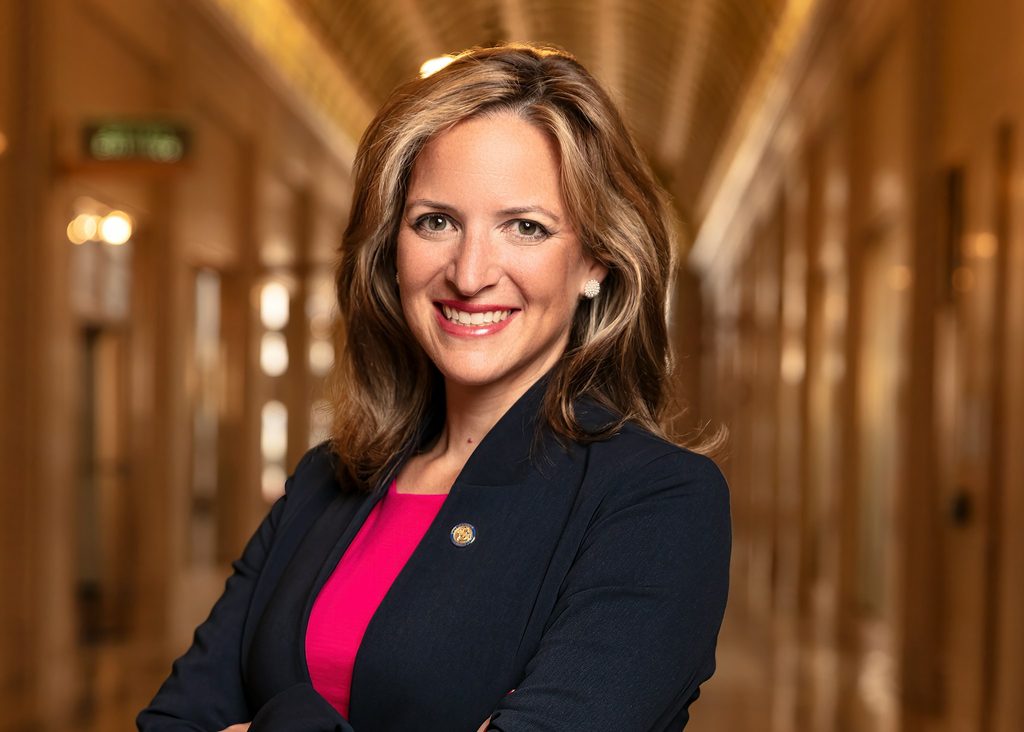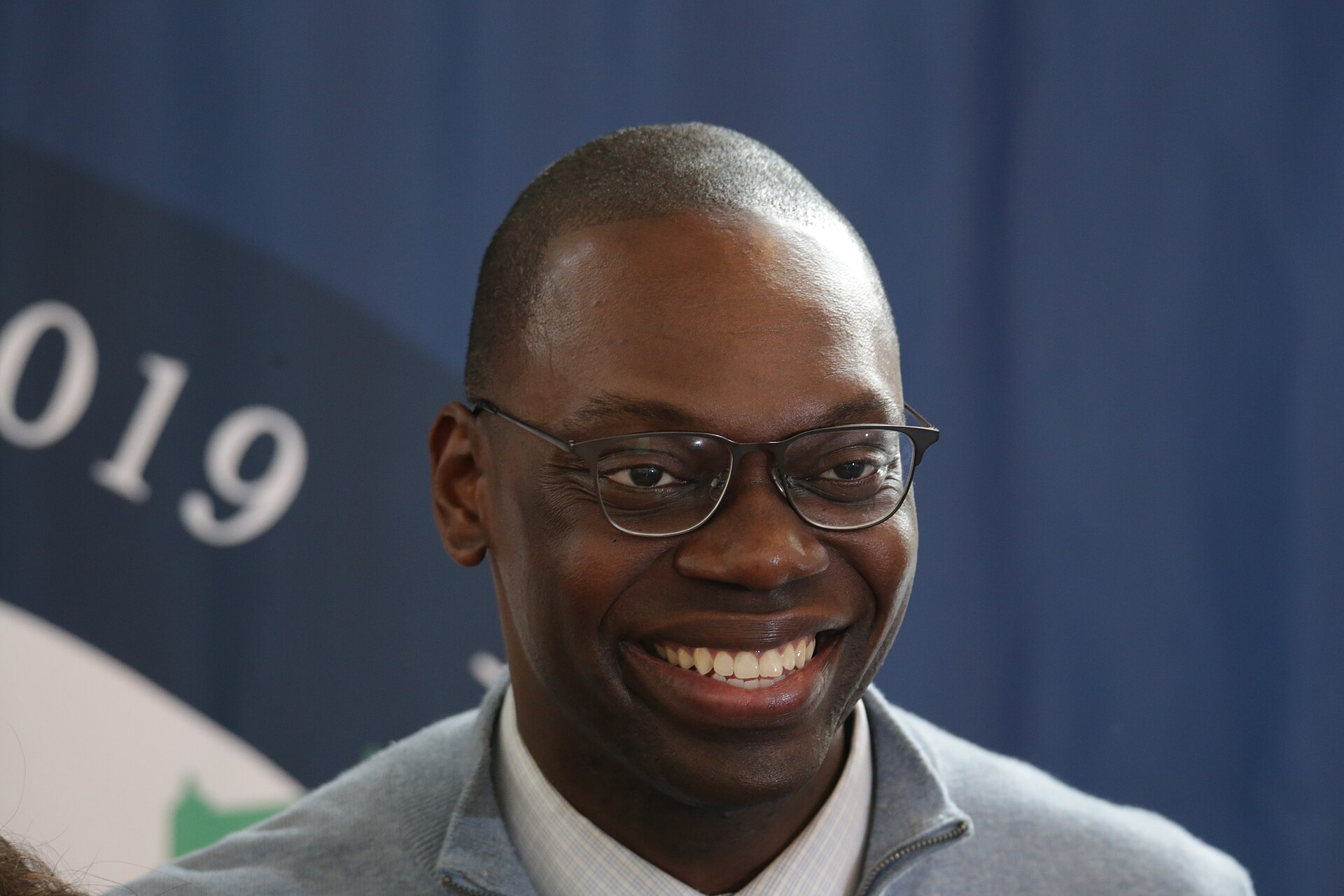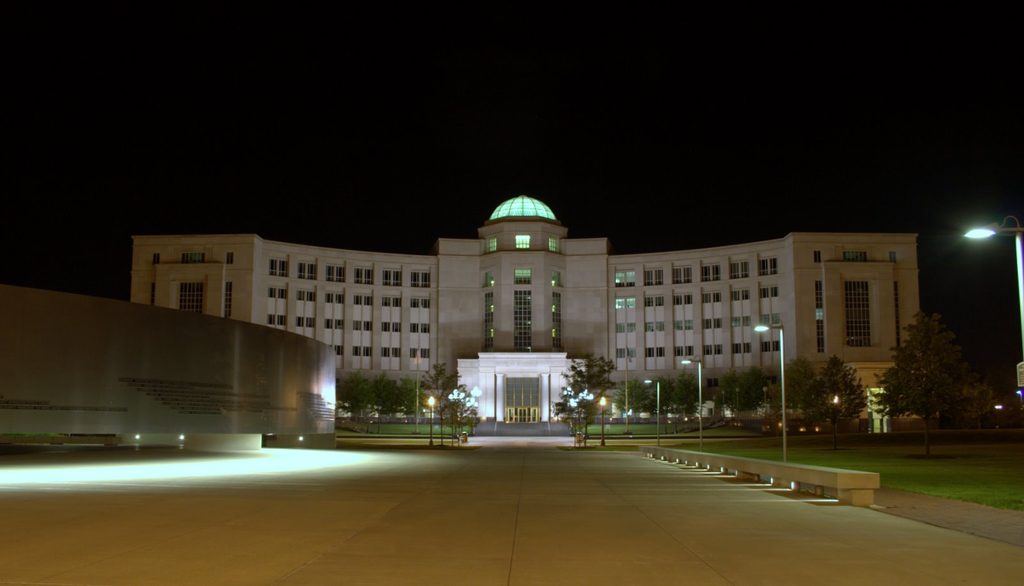
Chief Justice Megan Cavanagh and Justice Noah Hood won Michigan’s two Supreme Court seats, according to The Associated Press, in a report published by Michigan Public.
Their victories preserve the state’s highest court’s 6-1 Democratic-backed majority. Both will serve eight-year terms.
As of the state’s 7 a.m. EST update Nov. 4, Cavanagh had 1,677,608 votes, or 33.54%, and Hood had 1,435,393 votes, or 28.70%, according to Michigan’s unofficial election results.
AP has reported Cavanagh and Hood as the winners. Vote totals remain unofficial and may change as additional ballots are counted.
Michigan Supreme Court results
The following figures appeared in the state’s report updated at 7:00:48 a.m. EST Nov. 4:
Candidate | Votes | Percentage |
|---|---|---|
Megan Kathleen Cavanagh — AP winner | 1,677,608 | 33.54% |
Noah P. Hood — AP winner | 1,435,393 | 28.70% |
Michael Warren | 717,775 | 14.35% |
Casandra Morse-Bills | 664,185 | 13.28% |
Jody White | 270,116 | 5.40% |
Thomas W. Howe | 236,543 | 4.73% |
Total candidate votes | 5,001,620 | 100.00% |
Voters could select up to two candidates. Percentages represent shares of candidate votes, not shares of individual voters. Although political parties nominate candidates, the election is nonpartisan and party affiliations do not appear on the ballot.
The state listed 81 of 83 counties as reporting statewide. That figure does not establish the percentage of ballots counted in this race.
The winning candidates
The Michigan Democratic Party nominated both incumbents.
Cavanagh, first elected in 2018, was unanimously selected as chief justice in March 2025, as Michigan Advance reported. She graduated from Wayne State University Law School and worked as an appellate attorney before joining the bench, according to the Michigan Supreme Court Historical Society.
Hood, of Detroit, won his first full term. Gov. Gretchen Whitmer announced his appointment April 23, 2025, to fill the remainder of former Chief Justice Elizabeth Clement’s term.
A Harvard Law School and Yale graduate, Hood previously served on the Third Circuit Court and Michigan Court of Appeals.
The challengers
The Michigan Republican Party nominated judges Casandra Morse-Bills and Michael D. Warren Jr.
Morse-Bills hears probate, district and circuit court cases in northern Michigan. She was first elected to the bench in 2018, according to her campaign biography. The 23rd Judicial Circuit covers Alcona, Arenac, Iosco and Oscoda counties.
Warren has served on the Oakland County Circuit Court since his December 2002 appointment by then-Gov. John Engler, according to his county biography.
The U.S. Taxpayers Party nominated Thomas Howe, a retired engineer, and Jody White, a real estate broker. Neither candidate is licensed to practice law in Michigan, MIRS reported.
The Michigan Constitution requires justices to be licensed in Michigan and to have been admitted to legal practice for at least five years. MIRS reported that the Department of State allows candidates to appear on the ballot without meeting those qualifications, but they must qualify before taking office.
What’s at stake
The Michigan Supreme Court decides cases involving state laws, constitutional rights and ballot access, according to Bridge Michigan.
Democratic-backed justices entered the election with a 6-1 majority. Even victories by both Republican nominees would have left Democratic-backed justices with a 4-3 advantage.
How to track results
Readers can follow additional returns through the Michigan Secretary of State’s results page.
AP’s winner determinations are separate from the official canvassing and certification process. Vote totals remain unofficial until that process is complete. This article will be updated as additional totals become available.