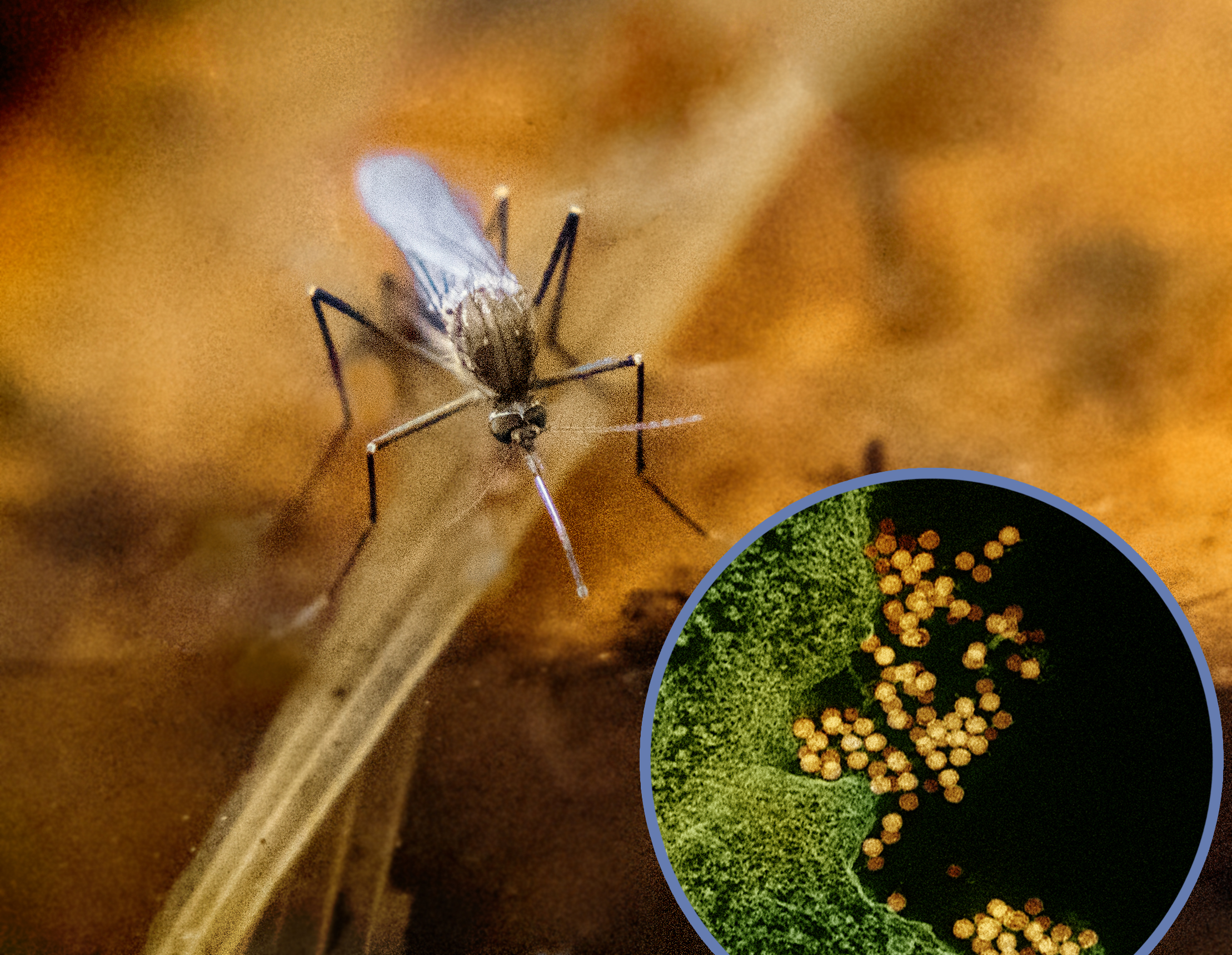
Wayne County Public Health confirmed the first human case of West Nile virus of 2026 on Wednesday, Aug. 26, in a resident living outside Detroit, MLive reported.
The department did not identify the specific community where the infected person lives or provide details about the resident's condition. The case was described as an "Out-Wayne County" resident, a term the department uses for communities other than Detroit. Northville Township is among those communities.
The announcement comes during peak season for the virus. West Nile virus activity in Michigan peaks in late August and early September, though cases can occur into early fall, county officials told MLive.
Virus already circulating locally
The virus had been present in local mosquitoes for more than a month before the human case was confirmed. Wayne County Public Health first detected West Nile virus in a mosquito on July 23, according to Patch. At that time, no human cases had been reported.
By Aug. 19, the Michigan Department of Health and Human Services had tested more than 88,000 mosquitoes statewide in 5,420 pools, the Detroit Free Press reported. West Nile virus was identified in mosquito pools in Detroit and in Wayne, Macomb, Washtenaw, Bay, Huron, Kent, Midland, Ottawa, Saginaw, St. Clair and Tuscola counties.
Oakland County, where Novi is located, was not among the counties with confirmed positive mosquito pools as of that date. But the virus is present in neighboring Wayne and Macomb counties.
How to protect yourself
Wayne County Public Health, according to MLive, is urging residents to:
- Use EPA-registered insect repellents containing DEET
- Limit outdoor activity around dawn and dusk, when mosquitoes are most active
- Wear long sleeves, pants and socks outdoors
- Empty standing water from buckets, tires, birdbaths, flowerpot saucers and toys at least once a week
- Install or repair window and door screens
When the virus was first detected in Wayne County mosquitoes in July, Dr. Avani Sheth, the county's chief medical health officer, told Patch: "We want people to continue enjoying the outdoors this summer. A few simple steps … can make a big difference in preventing mosquito bites."
Symptoms and risk
Most people infected with West Nile virus do not develop symptoms, county officials told MLive. About one in five develop fever, headache, body aches, joint pain, vomiting, diarrhea or a rash. Symptoms appear two to 14 days after a bite.
In rare cases, the virus can cause meningitis or encephalitis. People 65 and older and those with weakened immune systems face greater risk of severe illness. There is no specific treatment.
Residents who develop symptoms after mosquito bites should contact a health care provider, county officials told MLive.