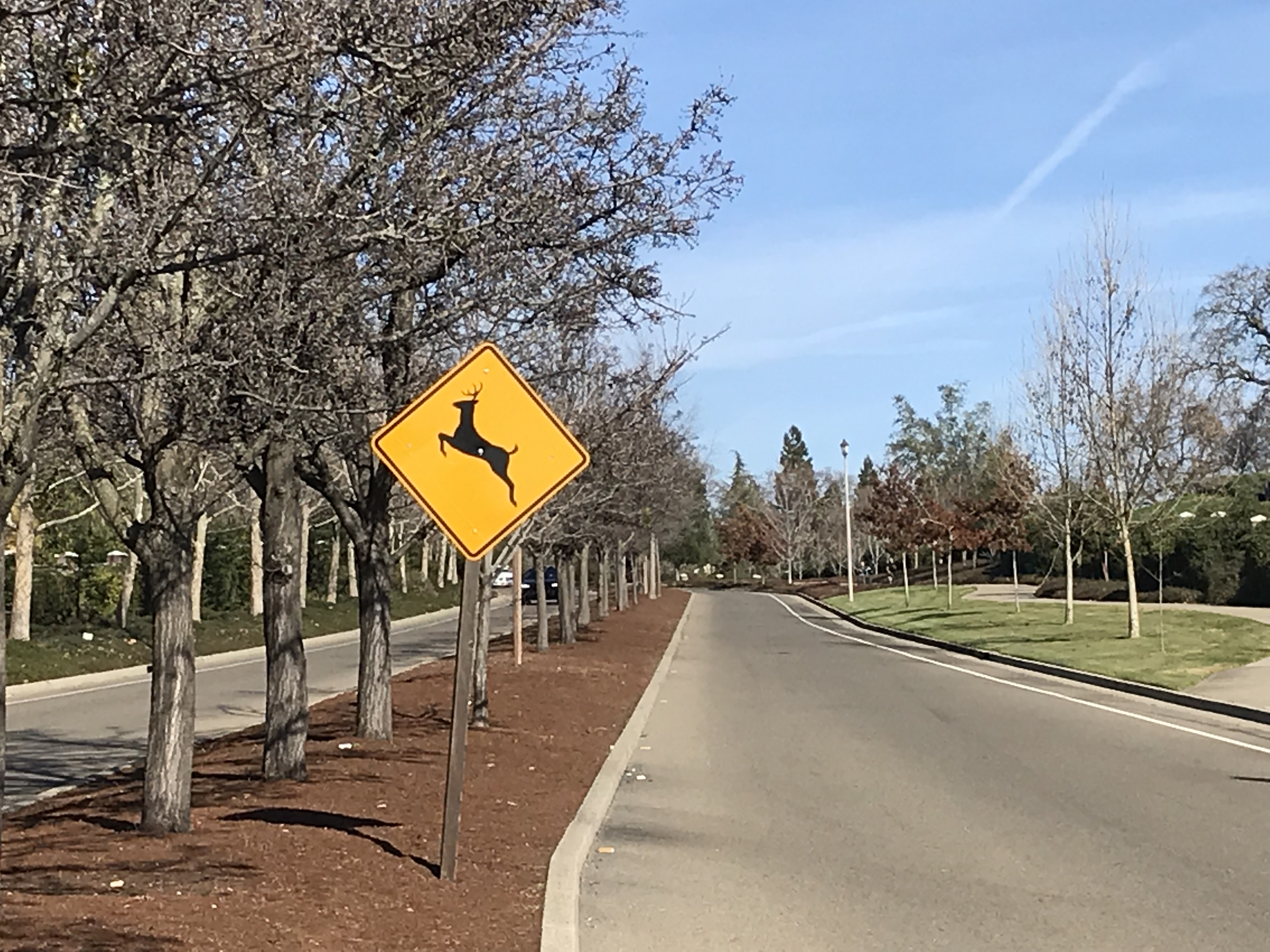
Novi recorded 99 deer-involved crashes in 2024, according to Michigan Traffic Crash Facts. For Novi and Northville drivers, November warrants extra caution: It had the most deer-involved crashes statewide that year.
Oakland County recorded 2,024 deer-involved crashes in 2024, second only to Kent County. Those county figures include Novi and the Oakland County portion of Northville. Northville also extends into Wayne County.
Elsewhere in Oakland County, Bloomfield Township police recently reported eight deer-vehicle crashes in a single week. Community Relations Officer Sean Manor said the department typically sees three to five a week, with that number often doubling during October, November and December, according to WXYZ’s Nov. 9 report.
Why November matters
November accounted for 10,017 deer-involved crashes statewide in 2024, followed by October with 9,428. October through December accounted for 42.9% of Michigan’s 58,324 deer-involved crashes that year, according to the state report.
In an Oct. 23 Spartan Newsroom report, Brent Rudolph, the deer, elk and moose management specialist at the Department of Natural Resources, identified Southeast Michigan as the state’s only region with a long-term increasing trend in deer crashes.
“This reflects continued growth of deer populations around the metro areas of the region, where it’s increasingly challenging to manage populations through hunting,” Rudolph said.
Michigan’s 16-day firearm deer season opens Sunday, Nov. 15.
What local drivers should watch for
Deer are especially active at dawn and dusk. State crash data show 53% of deer-involved crashes in 2024 happened on unlit roads after dark, with nearly 14,000 occurring between 6 p.m. and 8:59 p.m.
Michigan State Police guidance advises drivers to scan roadsides, particularly near woods, field edges and water. Slow down when deer are nearby and expect additional animals after seeing one.
For motorists facing an unavoidable collision, the department recommends braking firmly, keeping both hands on the steering wheel and remaining in the lane while bringing the vehicle to a controlled stop. Swerving can lead to a collision with another vehicle or a roadside object, or a rollover.