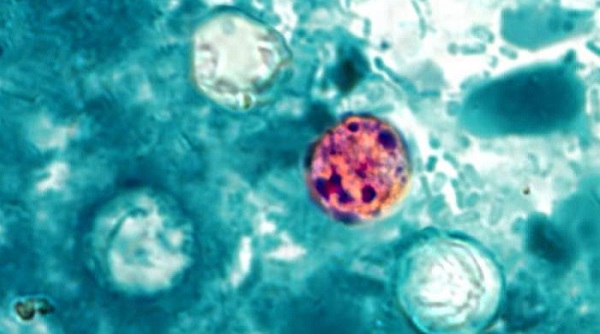
Two people have died in Michigan's cyclosporiasis outbreak, the state Department of Health and Human Services announced Monday, Aug. 3, marking the first fatalities in an illness that has now sickened more than 11,000 people statewide.
The deaths are a sharp escalation. As we reported July 31, the outbreak had already surpassed 10,000 cases with no fatalities. Now the toll stands at 11,234 confirmed cases, according to ClickOnDetroit, an increase of 461 since July 31.
Wayne County reported 1,379 cases as of July 31, and Oakland County has surpassed 1,000, putting the parasite squarely in the backyards of Northville and Novi residents. At least 193 people had been hospitalized statewide as of July 30, according to ClickOnDetroit's report on MDHHS data.
Both individuals who died had significant underlying health conditions that may have been worsened by cyclosporiasis and dehydration, MDHHS said. The department declined to release any identifying details and said death from cyclosporiasis is uncommon in the United States.
Source still unconfirmed
The outbreak's origin remains unconfirmed by lab testing. The FDA initially identified shredded iceberg lettuce from Taylor Farms' central Mexico facility, served at Taco Bell locations in five states including Michigan. Taylor Farms voluntarily recalled some products, and Taco Bell pulled lettuce from select restaurants.
The FDA later determined the specific lab sample behind that lead was a false positive, meaning no product has tested positive for cyclospora to date. However, Donald Prater, the FDA's acting deputy commissioner for food, said on July 20 that the testing error "does not alter the data supporting the outbreak advisory that prompted the current voluntary recall," and that the agency's traceback investigation and outbreak data "continue to converge on shredded iceberg lettuce from Taylor Farms' location in central Mexico."
No product has since tested positive, so the source remains unconfirmed by direct lab evidence, even as investigators continue to point to Taylor Farms' lettuce as the likely origin based on traceback data.
What residents should do now
MDHHS recommends buying whole heads of lettuce rather than pre-washed bagged lettuce or pre-mixed salad kits. The department advises discarding the outer two to three layers of leaves, thoroughly washing inner leaves under clean running water, and cooking any greens that can be cooked to at least 158°F. The cyclospora parasite resists routine chemical disinfection.
Those precautions are especially important for people at higher risk of dehydration or with weakened immune systems, including chemotherapy patients, organ transplant recipients, infants, young children, and elderly residents.
Alcohol-based hand sanitizers do not kill cyclospora. Soap and water work.
Outbreak by the numbers
The CDC has confirmed 6,707 laboratory-confirmed cases nationally since May 1, with more than 11,500 additional cases still unconfirmed or under investigation across 45 states. The U.S. typically sees about 3,000 cyclosporiasis cases in an entire year. The CDC expects illnesses to continue rising through the end of August, when the typical cyclospora season ends.
Anyone experiencing sudden and ongoing diarrhea should contact their health care provider and local health department, MDHHS said. Symptoms typically begin about one week after exposure and can last over a month without treatment. The standard treatment is the antibiotic trimethoprim-sulfamethoxazole.