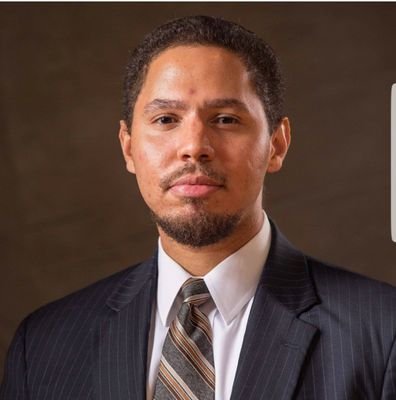
Rep. Haley Stevens is demanding U.S. Customs and Border Protection fix a computer backlog blocking Michigan small businesses from collecting tariff refunds.
Stevens, whose 11th Congressional District includes Northville and Novi, sent a letter to CBP Commissioner Rodney Scott on Wednesday, Sept. 9, demanding the agency clear delays in its refund system. Rep. Steven Horsford, D-Nevada, co-led the effort.
At issue is CBP's Consolidated Administration and Processing of Entries system, known as CAPE. The portal is the main system importers can file claims for duties they paid under President Trump's use of the International Emergency Economic Powers Act (IEEPA). The Supreme Court ruled 6–3 on Feb. 20 that IEEPA does not authorize the president to impose tariffs. All IEEPA tariffs ended Feb. 24.
Businesses have reported that glitches and processing delays in CAPE are blocking them from filing claims within the agency's required window, according to Stevens' office. Some importers said setting up the required account takes three to four weeks, according to the U.S. Chamber of Commerce. Incorrect data formatting and liquidation-date errors have also caused claim rejections, trade industry outlets reported.
"Small businesses in Michigan operate on tight margins, and every dollar matters," Stevens said in a statement. "CBP must fix these administrative roadblocks and make sure businesses receive every dollar they are owed."
The stakes are large. Nationwide, more than 300,000 companies paid roughly $166 billion in IEEPA duties across 53 million entries, according to the Chamber of Commerce. Midsize firms paid an average of $36,000 per month in tariff costs from April through September 2025, triple what they paid in the same period in 2024, according to a Center for American Progress analysis cited by the Cato Institute.
CBP launched CAPE's first phase on April 20 and a second phase on June 29 to handle more complex entries. As of late June, roughly $20 billion had been returned to importers. More than 26,000 importers had enrolled, covering about 78% of affected entries, according to Yahoo Finance.
The refund effort faces another complication. The U.S. Department of Justice appealed a Court of International Trade order on June 2 that had compelled CBP to return the full $166 billion, according to Thompson Hine's trade law blog. Interest on unpaid refunds is accumulating at roughly $650 million per month, the Court of International Trade noted.
In their letter to Scott, Stevens and Horsford wrote that businesses in their districts have reported significant logistical hurdles and that companies should not bear the cost of both the unlawful tariffs and administrative failures in the refund process.
Large Michigan retailers have already collected refunds. Walmart, with 93 stores in the state, received nearly $2.9 billion, and Burlington Stores, with 26 Michigan locations, received $55 million, Patch reported. Stevens' letter focuses on smaller importers in communities like Northville and Novi that lack the resources of national chains.
CBP has not publicly responded to the letter. No response from the agency appears in public records as of Sept. 10.